
Journalistic Ethics · Mandatory Module
Media Integrity: Journalistic Code of Ethics and ITE Law Regulatory Compliance
Ethics is the primary foundation that distinguishes professional journalism from the dissemination of ordinary information. At Kenwood Media Academy, we place the understanding of the Journalistic Code of Ethics as a mandatory subject for every individual who wants to work in the media world, complemented by in-depth education regarding the legal boundaries regulated in the ITE Law.
Basic Principles of the Journalistic Code of Ethics
The Indonesian Journalistic Code of Ethics is a moral compass for every journalist in carrying out the task of seeking and disseminating true news. Principles such as balance, press freedom, and the obligation to always verify information are the main points we teach.
We emphasize that the speed of news delivery must not sacrifice accuracy because the impact of false news can be very damaging to society. Participants are taught to always prioritize the public interest over personal, group, or media owner interests.
Balance
Every news story must present more than one perspective before being published.
Press Freedom
Free from political pressure, capital owners, and the interests of specific groups.
Information Verification
The obligation to verify sources before disseminating claims to the public.
Understanding the ITE Law in Communication Practice
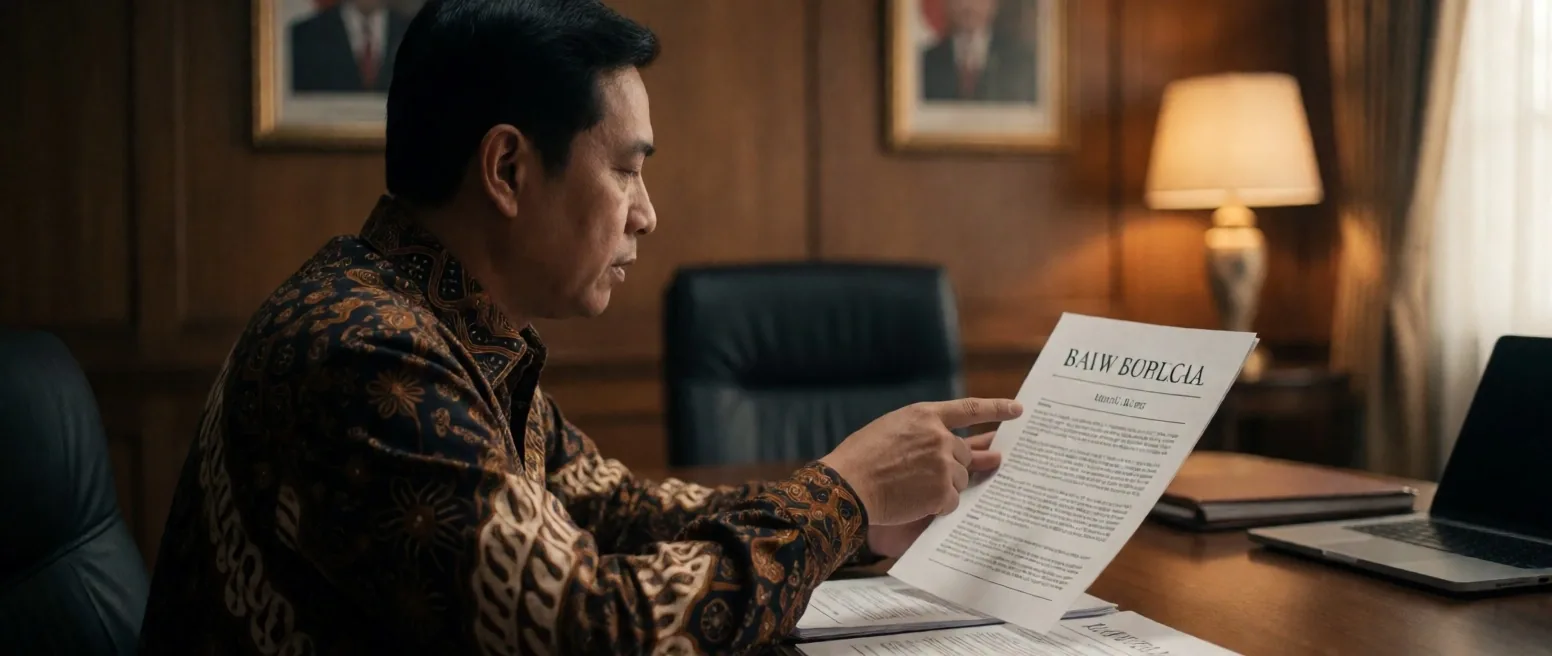
The Law on Information and Electronic Transactions (UU ITE) has a major impact on how we communicate in the digital space, both personally and professionally. We dissect crucial articles related to defamation, hate speech dissemination, and personal data protection so that participants do not get entangled in the law.
This education aims to create legally savvy communicators who know when to speak and how to deliver criticism without breaking the law.
A good understanding of the ITE Law will provide a sense of security for media practitioners in conducting investigations or voicing opinions on social media. We use concrete case examples from Indonesian court decisions to ensure the material can be applied directly.
Participants are guided to recognize the boundary between legitimate criticism protected by law and statements that can be qualified as digital criminal violations.
Case Study · Court Decisions
Verification and Fact-Checking Techniques
In the midst of a flood of hoax information, the ability to verify information sources is a very crucial skill. We teach layered verification methodologies, ranging from checking the authenticity of photos and videos to validating interviewee statements through secondary data. This skill is not only useful for journalists but also for the general public so they do not become spreaders of fake news.
Identify Primary Sources
Trace claims to their original source — do not rely on reposts or secondary quotes. Distinguish between direct witnesses and derivative narratives.
Visual Verification
Check photo and video metadata, perform a reverse image search, and compare with other source recordings to detect manipulation.
Cross-Validation with Secondary Data
Compare interviewee statements with public data, official documents, or independent records to ensure information consistency.
Publication with Disclaimer
If verification is not yet perfect, convey the level of information certainty to the reader openly — do not present claims that are still doubtful as final facts.
Boundaries and Responsibility
Interviewee Privacy and Communicator Social Responsibility
Privacy Protection and Interviewee Rights
Respecting the privacy of interviewees and individual rights is an integral part of communication ethics that is often ignored in pursuit of news sensations. We provide guidelines on what can and cannot be published regarding a person's private life based on applicable laws.
Ethical interview techniques are also taught so that participants can still dig for important information without having to resort to intimidation or manipulation of the interviewee.
Maintaining good relationships with interviewees through ethical attitudes will facilitate long-term access to information in your career as a media practitioner.
Communicator Social Responsibility
Every word published has a social impact, whether it be in the form of education, provocation, or policy changes at the government level. We educate participants to realize the power of the messages they convey and consider the consequences before pressing the publish button.
Responsible communicators are those who are able to design narratives that build social harmony, rather than dividing society for the sake of ratings alone.
Awareness of this responsibility is instilled early on through discussions of real cases that have occurred in the Indonesian mass media.
06 · Corrections and Right of Reply
Handling Corrections and Right of Reply
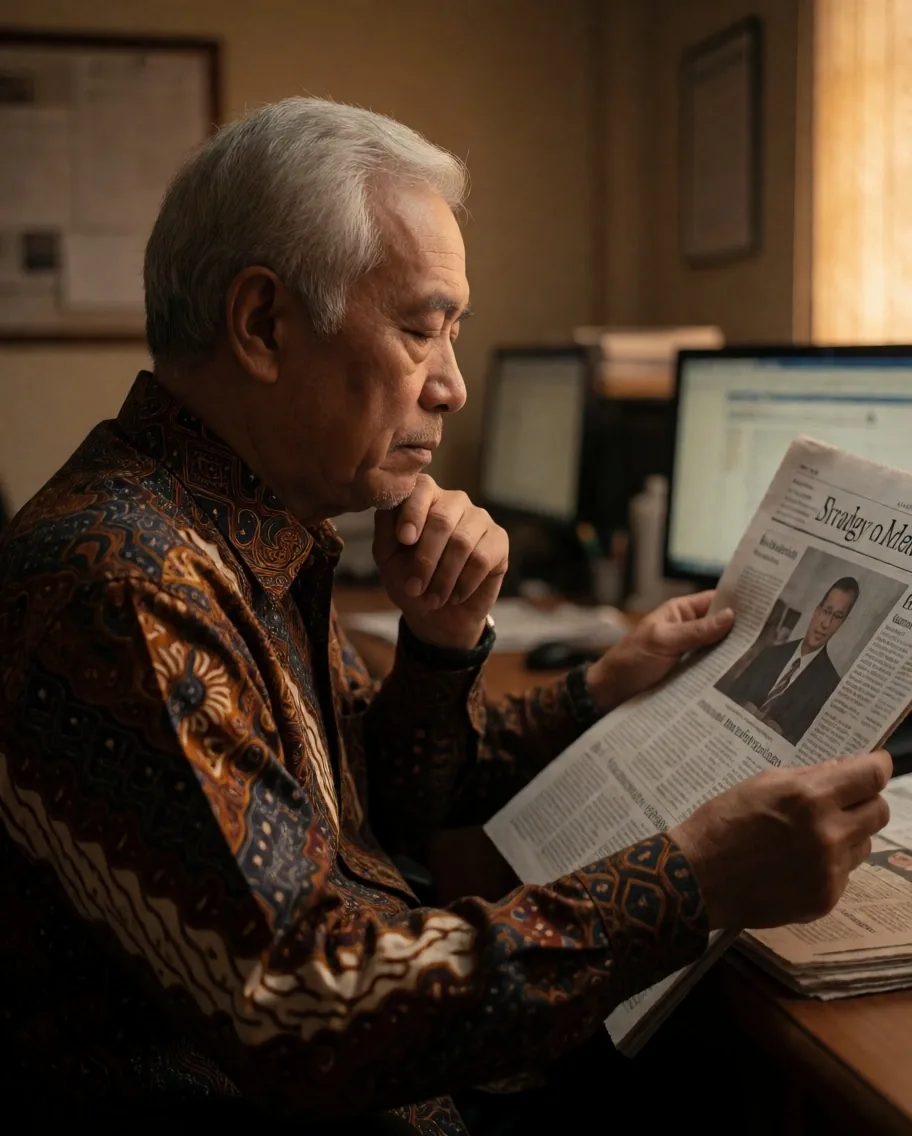
In journalism, mistakes may happen, but how those mistakes are handled reflects the level of professionalism and integrity of a media outlet. We teach the correct correction mechanism in accordance with press laws and how to provide space for the right of reply for aggrieved parties.
Acknowledging mistakes transparently can actually increase media credibility in the eyes of intelligent and critical readers. Participants are taught not to be defensive when criticized and to always be open to factual corrections for the sake of information accuracy.
Every published correction must state the original error, the correct information, and an apology proportional to the severity of the error.

07 · Independence
Independence and Avoiding Conflicts of Interest
A media practitioner must be able to maintain a healthy distance from sources or parties that have specific interests in the reporting. We discuss how to identify conflicts of interest, such as accepting gratuities or political affiliations that could influence the objectivity of media work.
Participants are given simulations of difficult decision-making when faced with pressure from external parties who want to steer the news narrative.
Independence is the main capital for journalists to remain trusted by the public as a pillar of a healthy democracy.
08 · Digital Ethics
Digital Literacy and Social Media Ethics
Social media has become a means of personal publication with a reach as wide as traditional mass media, so similar ethics are required in its use. We provide guidance on how to interact politely with netizens and manage comment sections without silencing freedom of speech.
Proper Attribution
Ethics in sharing other people's content, including the importance of giving credit to the original owner of the work.
Comment Management
Managing comment sections without silencing freedom of speech while still preventing hate speech.
Digital Reputation
Maintaining a professional digital reputation in the eyes of the public through consistent ethical behavior on every platform.
Repost Limits
Verifying the truth of content before resharing — not every social post deserves to be spread without verification.
09 · Case-Based Learning
Case Studies of Media Ethics Violations
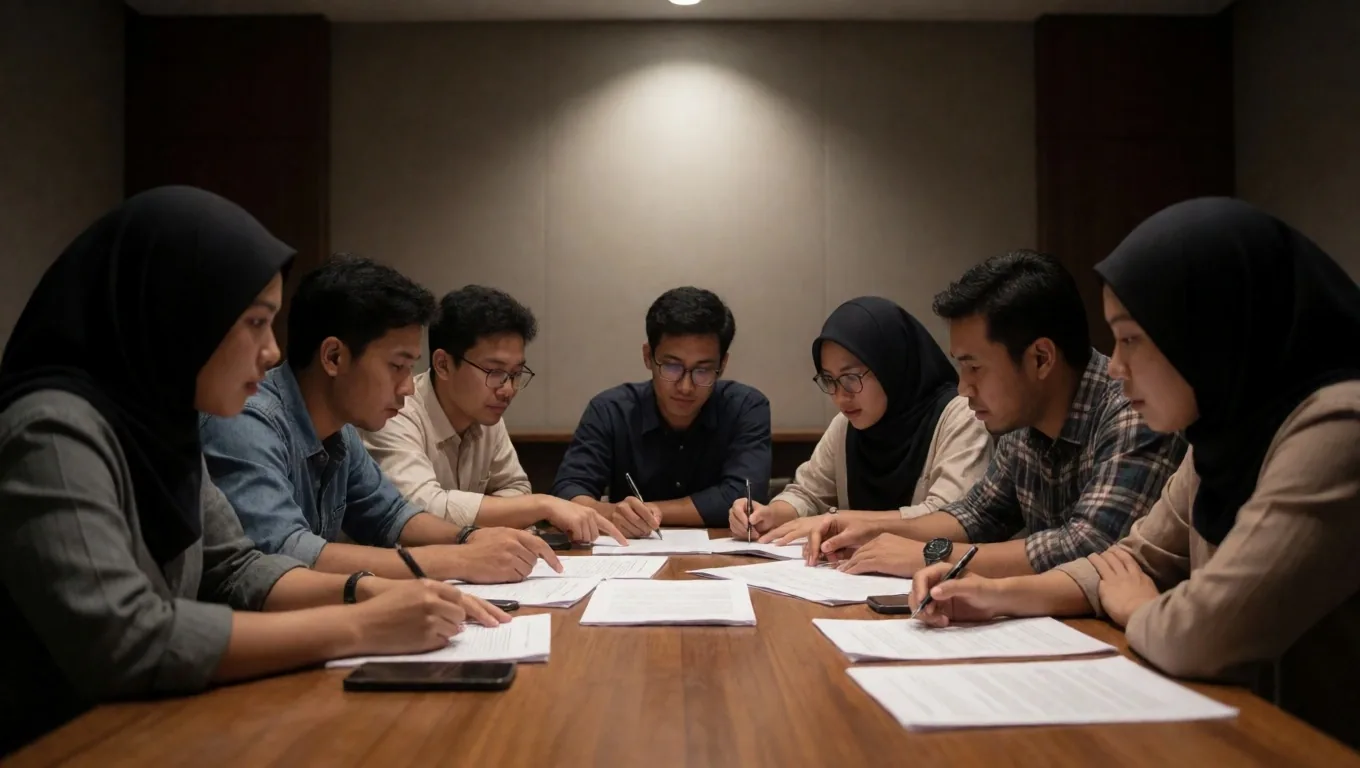
To provide a real picture, we dissect various cases of ethical violations that have occurred and the legal and social impacts they caused. This analysis helps participants learn from the mistakes of others without having to experience them themselves in their professional careers.
In-depth discussions are held to find alternative solutions that should have been taken if in the same situation in the workplace.
This case-based learning is proven effective in sharpening the ethical intuition of students at Kenwood Media Academy, as each scenario is drawn from press events already known to the public.
Kenwood Media Academy's Commitment to Ethics
We are committed to ensuring that all our graduates are individuals who are not only technically skilled but also steadfast in maintaining professional morality. Our ethics curriculum is regularly updated to follow social dynamics and regulatory changes occurring in Indonesia.
We believe that by upholding ethics, our media industry will be healthier and able to make a positive contribution to the nation's progress. Kenwood Media Academy will continue to be at the forefront of promoting integrity in the world of national communication and media.
Please note: this training provides ethical skills and knowledge, not a guarantee of job placement. Professional success depends on each individual's dedication after completing the program.
Next Steps
Ready to study journalistic ethics in depth?
Contact for information on the journalistic ethics module: